
Mobile Scaffold Towers vs Static Scaffolding
Pros, Cons and Use Cases
One of the most practical decisions on any scaffolding project is whether to use a mobile scaffold tower fitted with wheels, or a static scaffold structure that remains fixed in place. Both configurations serve very different purposes, and choosing the right one affects safety, efficiency, and cost. This guide breaks down the strengths and limitations of each, and where each configuration works best.
What Is a Mobile Scaffold Tower?
A mobile scaffold tower is a manually assembled scaffold structure built on a base fitted with lockable castors, allowing it to be moved between working positions without being dismantled. Mobile towers are usually built using lightweight modular components and are designed to be repositioned frequently across a work area, making them a popular choice for short, repeated tasks at a consistent working height.
What Is Static Scaffolding?
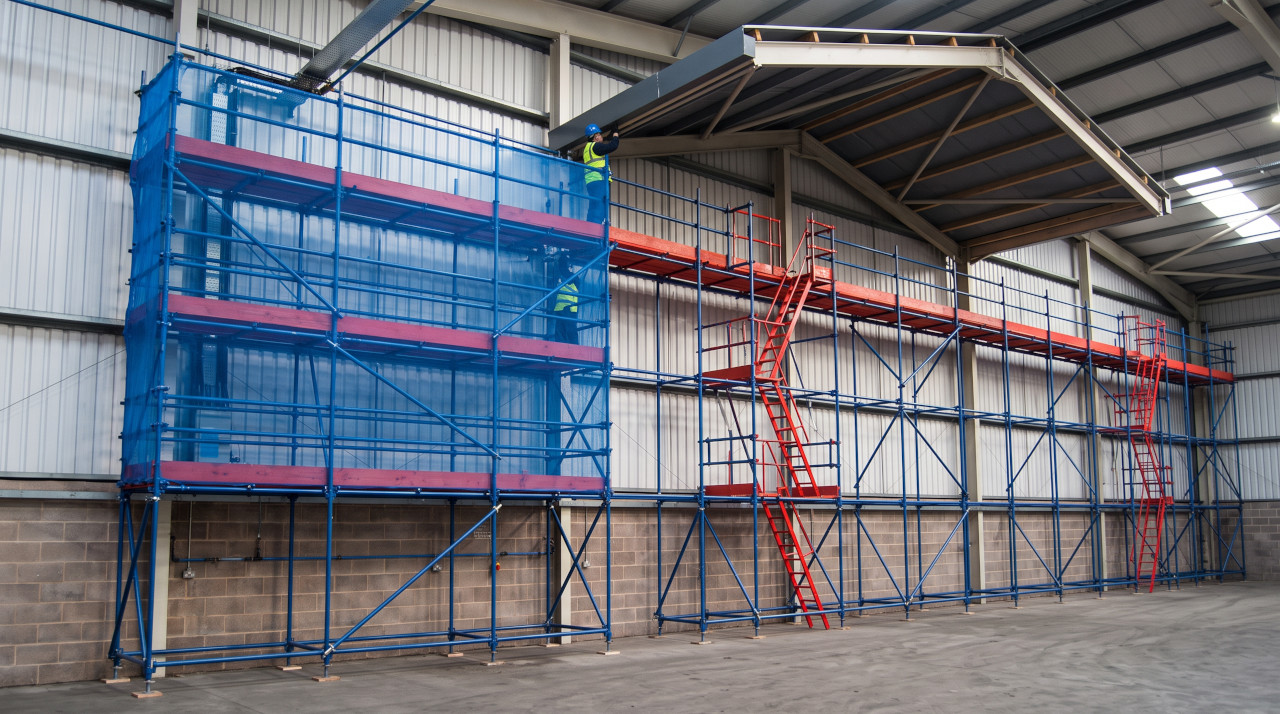
Static scaffolding is erected without wheels and is either freestanding or tied and braced directly to the structure it serves. It is designed to remain securely in place for the full duration of a project, whether that is a few days or several months, and can be built up in multiple lifts to reach considerable heights that a mobile tower is not designed to achieve.
Mobile Scaffold Towers: Pros
- Quick to reposition across a work area without a full rebuild, saving significant time on tasks spread across a large floor space
- Faster initial assembly compared to static scaffolding, since mobile towers are typically lighter and simpler in structure
- Well suited to indoor environments such as warehouses, retail stores, and offices where the working height stays consistent
- Requires a smaller footprint and less material than a full static scaffold structure for the same task
- Cost effective for short duration jobs where the tower is only needed for a few hours or days at a time
Mobile Scaffold Towers: Cons
- Limited in height compared to static scaffolding, since the wheeled base and lighter frame are not designed for tall, multi-lift structures
- Requires a firm, level, and stable surface to operate safely, making it unsuitable for uneven or soft outdoor ground
- Lower load capacity than static scaffolding, limiting how much material, tools, or equipment can be carried on the platform
- Must never be moved while a worker is standing on the platform, which requires clear coordination and safety discipline on site
- Not suitable for long duration projects requiring a permanently fixed working platform over many weeks
Static Scaffolding: Pros
- Can be built to significant heights using multiple lifts, making it suitable for multi storey buildings and large facades
- Higher load capacity, supporting heavier materials, tools, and multiple workers across a wide platform simultaneously
- Remains securely in place for the full duration of a project, avoiding the need to repeatedly assemble and disassemble a structure
- Can be tied and braced to a building for additional stability, making it suitable for outdoor, exposed, or uneven sites
- Provides continuous access across an entire structure, such as a full building facade or roofline, rather than one section at a time
Static Scaffolding: Cons
- Takes considerably longer to erect and dismantle compared to a mobile tower, requiring more labour and planning time
- Occupies a larger, fixed footprint for the duration of the project, which can restrict site access or public space around a building
- Higher setup cost, making it less economical for very short duration tasks compared to a mobile tower
- Requires a scaffold inspection at regular intervals throughout the period it remains standing, adding an ongoing compliance requirement
Best Use Cases for Mobile Scaffold Towers
- Painting or plastering a warehouse or retail ceiling across a large open floor area
- Electrical, plumbing, or HVAC maintenance at a consistent height across multiple points in a building
- Retail or office fit outs requiring repeated short duration access to different areas of a space
- Warehouse racking installation, inspection, or stock management at height
- Short term indoor maintenance tasks lasting a few hours to a few days
Best Use Cases for Static Scaffolding
- Multi storey building construction, renovation, or facade work
- Roofing projects requiring full perimeter access over several weeks
- Outdoor projects on uneven ground where a stable, tied structure is required for safety
- Projects involving heavy materials, multiple trades, or large crews working simultaneously at height
- Long duration industrial or commercial projects where the scaffold needs to remain in place for the full build period
Choosing Between a Mobile Tower and Static Scaffolding
The decision generally comes down to three factors, the height required, the duration of the work, and the surface or site conditions involved. Short, indoor, repositionable tasks at a consistent height are usually best served by a mobile scaffold tower, while taller, longer duration, or outdoor projects on uneven ground call for static scaffolding that is properly based, tied, and braced. A reputable scaffolding hire company will assess these factors on site and recommend the configuration that offers the safest and most efficient solution for your specific project.
Mobile vs Static Scaffolding FAQs
Can a mobile scaffold tower be used outdoors?
Mobile scaffold towers can be used outdoors provided the ground is firm, level, and stable, and weather conditions such as strong wind do not pose a risk. Uneven or soft outdoor ground generally makes static scaffolding the safer and more appropriate choice.
How tall can a mobile scaffold tower be built?
Mobile scaffold towers are generally limited to lower working heights compared to static scaffolding, since their wheeled base and lightweight frame are designed for shorter, repositionable tasks rather than tall, multi-lift structures.
Is it safe to move a mobile scaffold tower with someone standing on it?
No. A mobile scaffold tower must never be moved while anyone is standing on the platform. The tower should always be cleared of workers, tools, and materials, and the wheels unlocked, before it is repositioned, then relocked once in place before anyone climbs back on.
Which is cheaper, a mobile scaffold tower or static scaffolding?
For short duration tasks, a mobile scaffold tower is generally more cost effective due to its faster assembly and smaller footprint. For longer duration projects, static scaffolding often becomes the more economical option since it remains in place for the full project without needing to be repeatedly assembled and dismantled.
Do static scaffolds need to be inspected regularly?
Yes. Static scaffolding must be inspected at regular intervals throughout the period it remains erected, in line with South African scaffolding regulations, to confirm it remains structurally sound and safe for continued use.
Can a mobile scaffold tower carry heavy materials?
Mobile scaffold towers generally have a lower load capacity than static scaffolding, so they are best suited to lighter tasks and smaller quantities of tools and materials rather than heavy building supplies.
What surface do I need for a mobile scaffold tower?
A mobile scaffold tower requires a firm, level, and stable surface to operate safely. Uneven flooring, soft ground, or sloped surfaces increase the risk of tipping and generally make static, tied scaffolding the safer option instead.
Is static scaffolding better for multi storey buildings?
Yes. Static scaffolding, particularly when tied and braced to the structure, is the standard approach for multi storey buildings, since it can be built up in multiple lifts to reach significant heights while providing continuous access and fall protection across the full facade.